

Hospital Beds
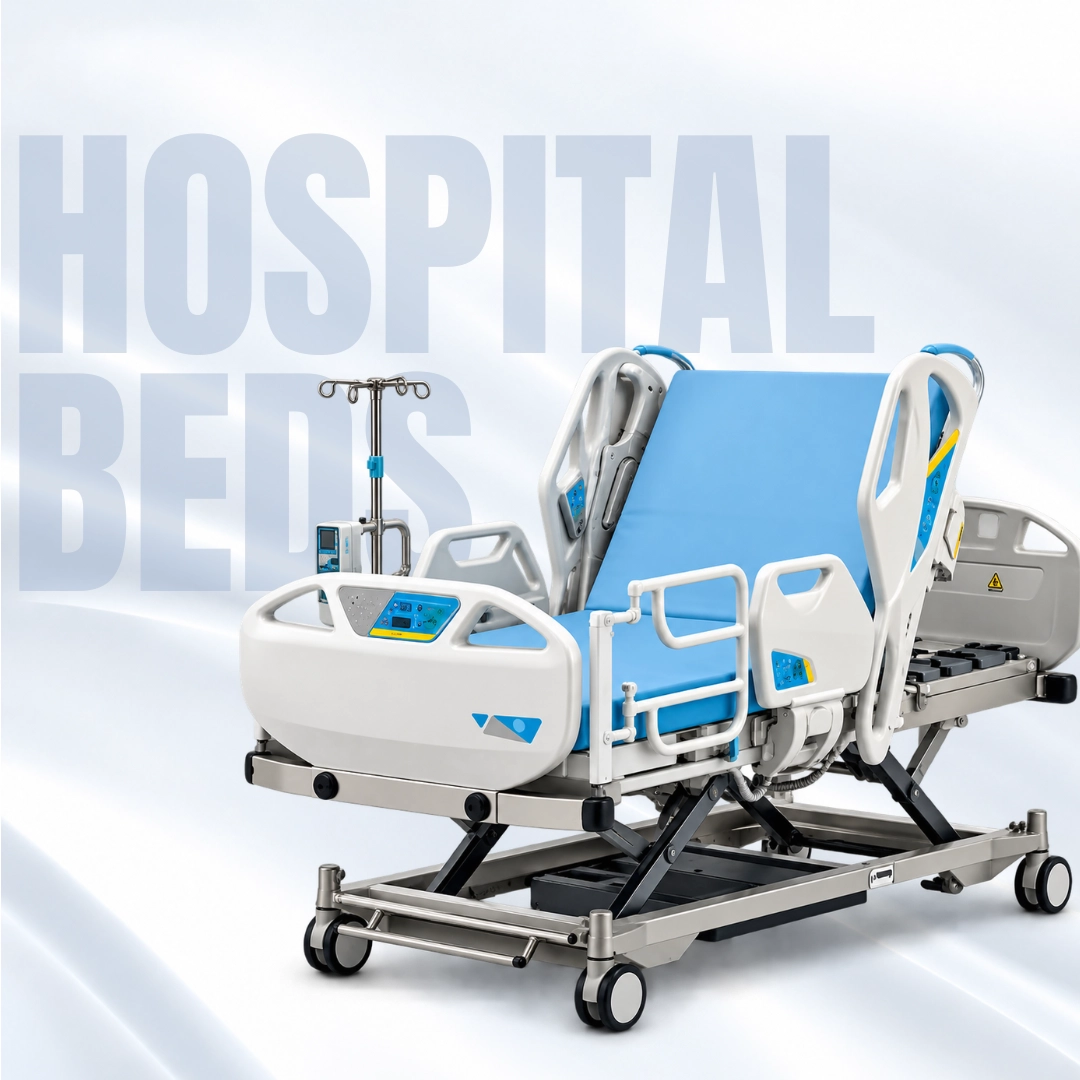
Adjustable hospital beds for patient care and recovery, with positioning functions, side rails and configurations suited to different clinical wards.


Hospital Beds
Facial bed BR-207A
Facial bed featuring 4 motors with low noise and long lifetime operation. Includes removable pillow,...
View Details
Hospital Beds
Facial bed BR-273B
4 motor facial bed. Facial bed BR-273B is an extremely comfortable chair/bed. It features 4 motors t...
View Details
Hospital Beds
Facial bed BR-228
4 motor facial chair. Facial chair BR-228 is the center of a spa treatment room. If your spa busines...
View Details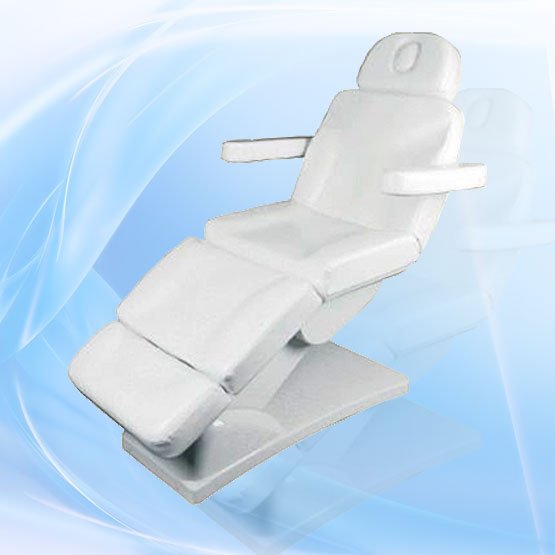
Hospital Beds
Facial bed BR-2309
Facial bed 3 motors. Under manual mode, there are three choices of overall, partial and fixed massag...
View Details“
Hospital beds designed for patient care
A hospital bed is part of the working environment for nurses and clinicians as well as a place for the patient to rest. Its adjustment range, controls and access around the frame affect daily care, examination and transfer tasks. This category covers adjustable beds intended for inpatient care, treatment and recovery.
General ward beds and intensive care beds may have different requirements. A ward may prioritize straightforward positioning and cleaning, while a high-dependency area may need a wider range of adjustments and access to the patient from several sides. It is useful to start by defining the intended ward rather than choosing solely by the number of bed sections.
Positioning and practical features
Depending on the model, medical beds may include backrest and leg section adjustment, height control, side rails and a mobile base with wheel locks. These features can help staff reposition patients for care and support access during routine procedures. Their exact configuration and movement ranges should be verified in the individual bed specifications.
Bed construction matters for housekeeping and infection prevention. Surfaces should be appropriate for the facility's approved cleaning products and methods; mattresses and accessories must fit correctly. When side rails or other accessories are fitted, their use should follow the manufacturer's instructions and clinical risk assessment.
Matching beds to the ward
Measure doorways and room space, check the maximum permitted load and consider how often patients will be moved. Think about staff access for transfers, the controls available at the bedside and the power arrangements if an electrically adjustable bed is selected. These details are easily overlooked when comparing product photographs.
Hospital beds should not be confused with examination chairs or cosmetic treatment beds. They serve different patients and often follow different design requirements. When expanding a ward or replacing old furniture, compare the selected models against the department's care routines and the intended patient group before confirming the order.
”