“
Patient monitoring and cardiac diagnostics
Checking a patient's condition can mean a quick measurement at the bedside or continuous observation over many hours. This section brings together devices used for both tasks: multiparameter patient monitors, electrocardiographs, ambulatory ECG recorders, pulse oximeters and central monitoring equipment. They do not all measure the same things, and each has its place in a hospital's working day.
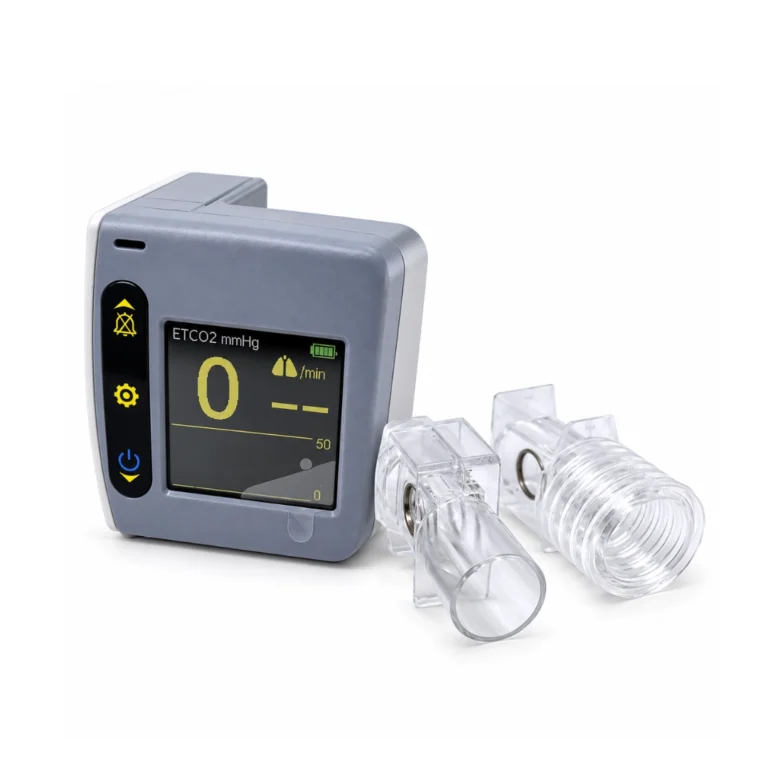
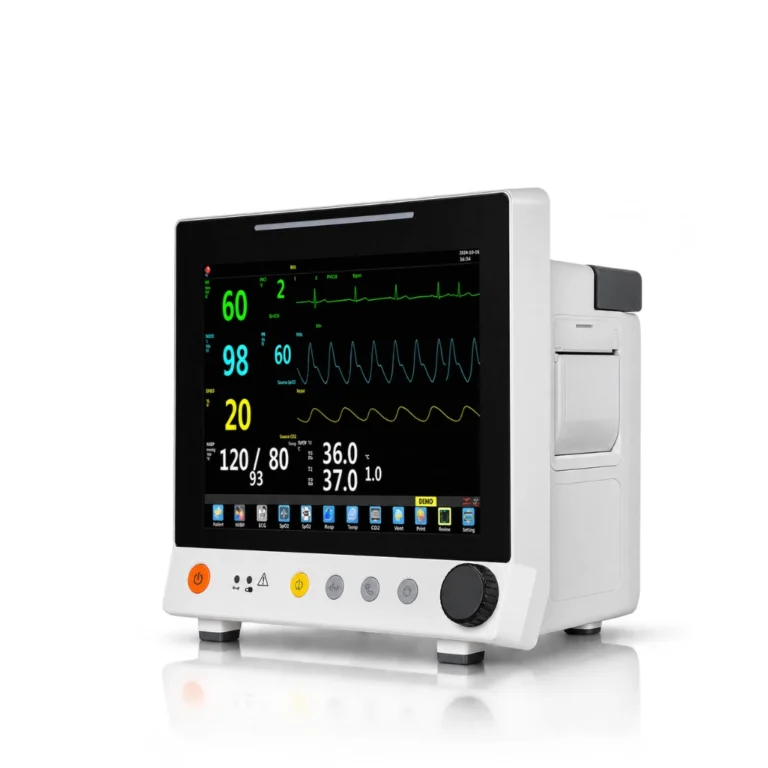
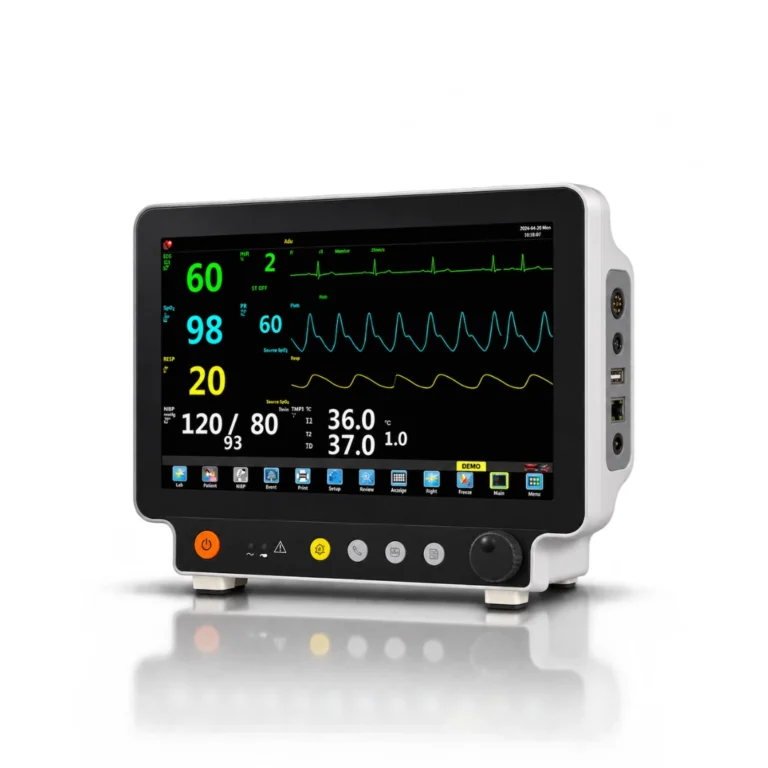
Bedside monitors are used when staff need to see changes in vital signs while caring for a patient. Depending on the model and fitted modules, the display may show ECG, heart rate, oxygen saturation, non-invasive blood pressure, respiration and temperature. Clinical teams can review the readings and respond to alarms without having to perform a separate measurement every few minutes.
ECG recordings and longer-term observation
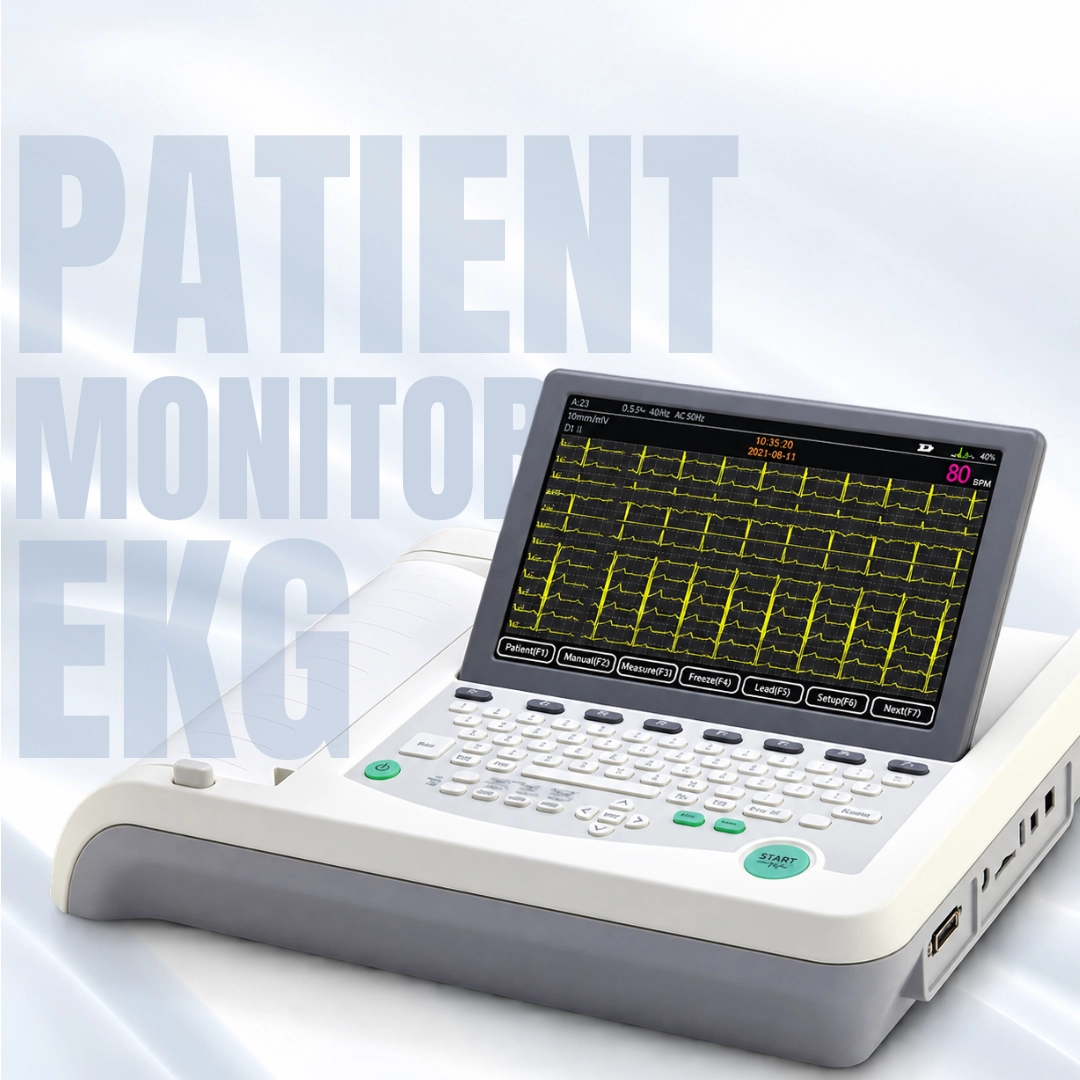
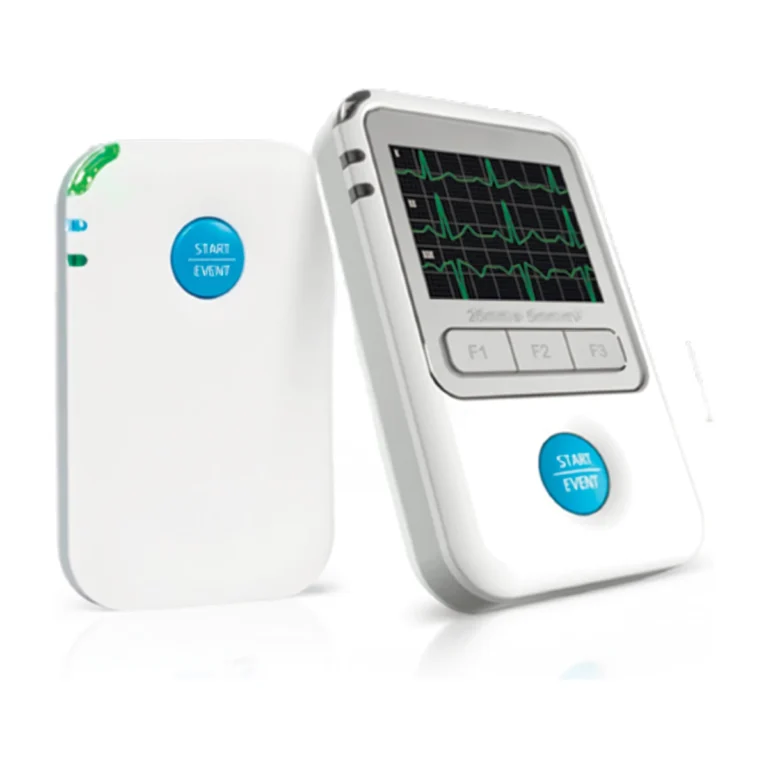
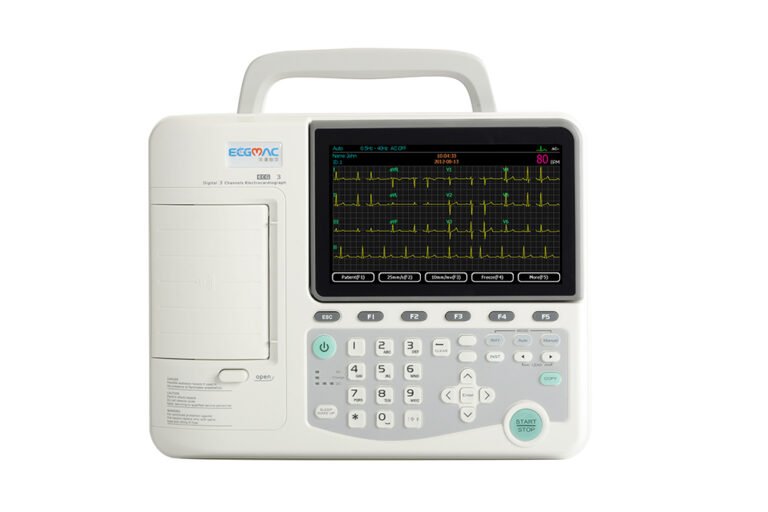
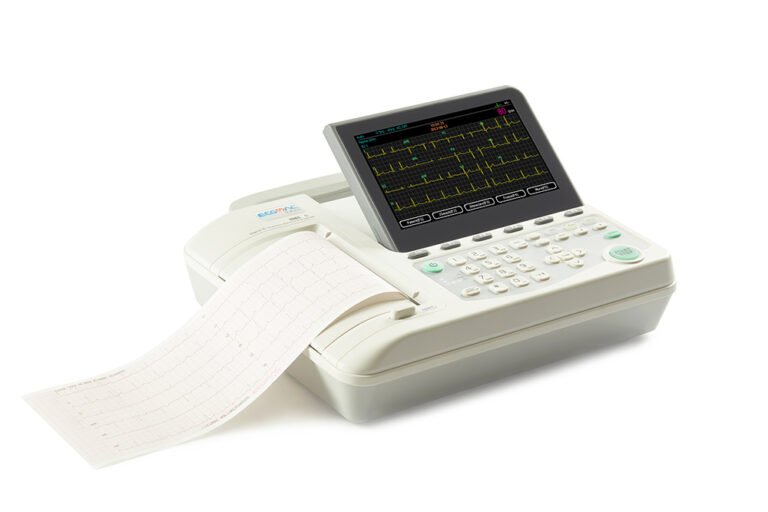
An electrocardiograph records the heart's electrical activity for review by a clinician. It is suited to scheduled examinations and situations where a diagnostic ECG trace is needed. Holter ECG recorders serve another purpose: they collect cardiac data over an extended period while the patient follows their usual activities. The recordings are then examined using the relevant analysis software.
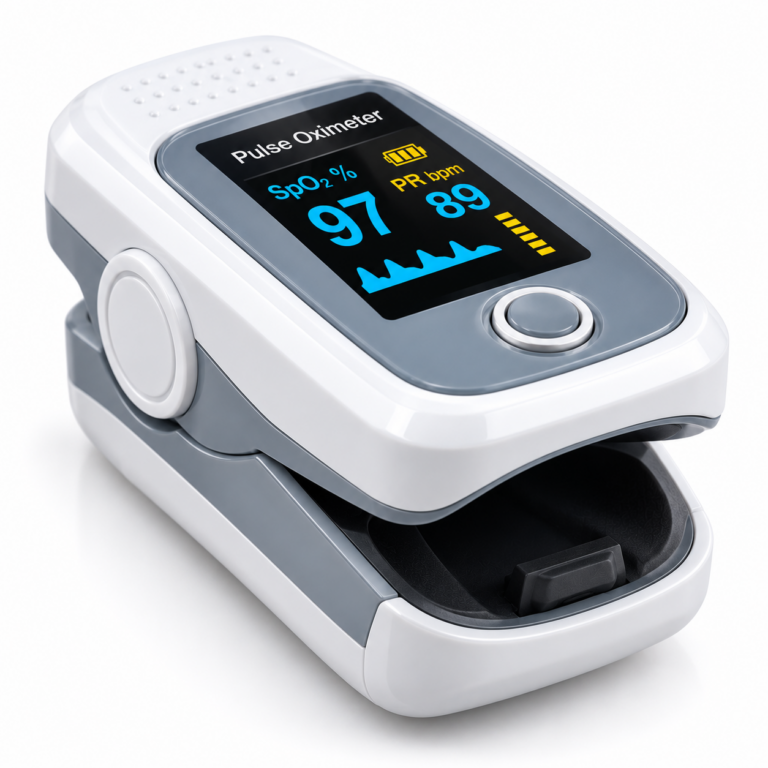
Pulse oximeters provide a straightforward way to check oxygen saturation and pulse rate. They are useful for spot checks and, in configurations intended for it, ongoing measurement. Central monitoring stations connect information from several bedside monitors, giving nursing staff a broader view of patients within a ward or intensive care area.
Choosing equipment for the department
A treatment room, a cardiology office and an intensive care unit will rarely need identical monitoring setups. Start with the clinical parameters and the length of time they must be recorded. Then consider screen size, data review, alarms, networking, accessories and the age groups served. For a central station, confirm which bedside monitors it can communicate with.
The Brightfield Healthcare range includes bedside patient monitors and a central monitoring system. ECG machines, Holter recorders and oximeters complement that monitoring workflow but are distinct devices. Compare the individual product pages for exact functions and options rather than assuming that every feature is standard across the category.
”