“
Oxygen concentrators for respiratory care
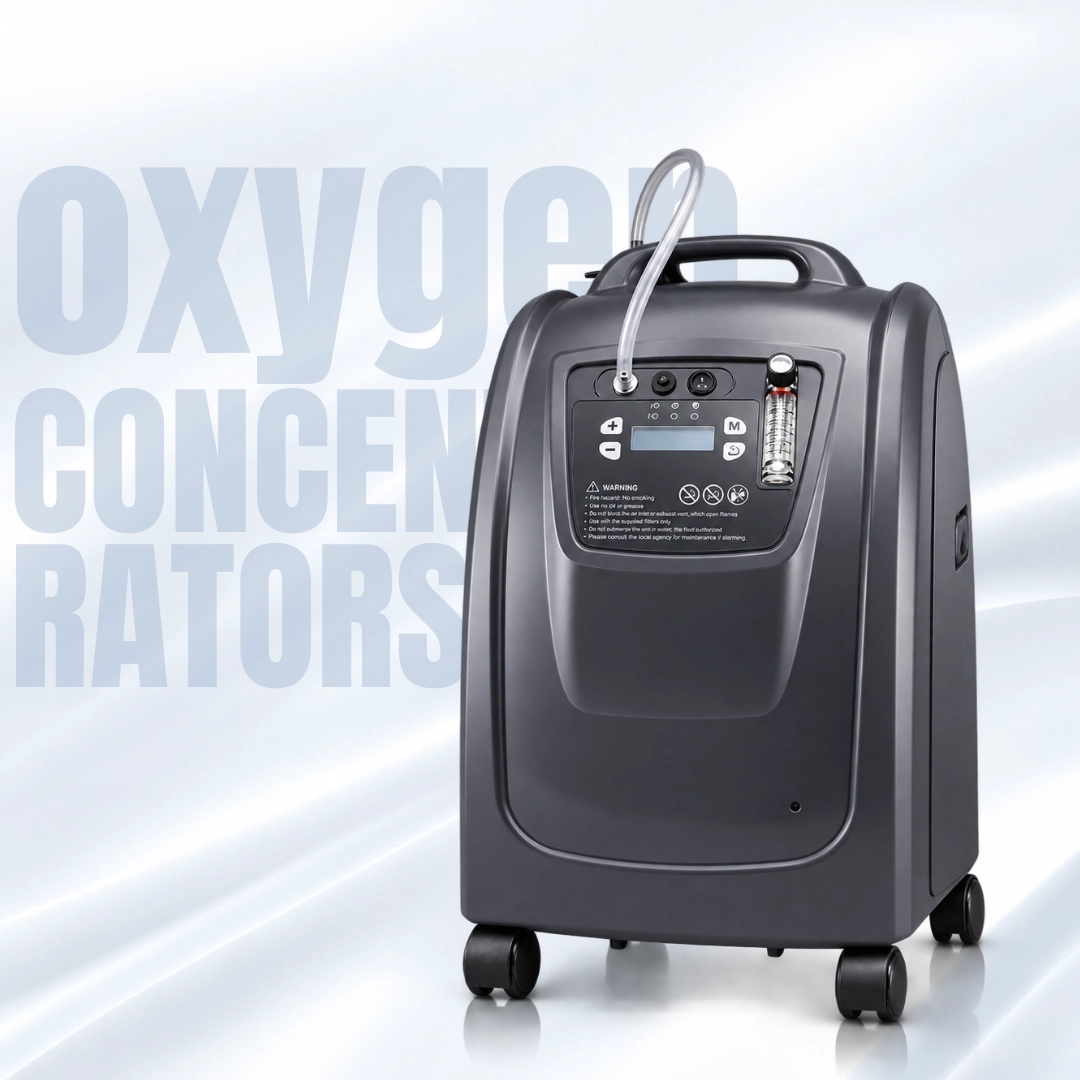
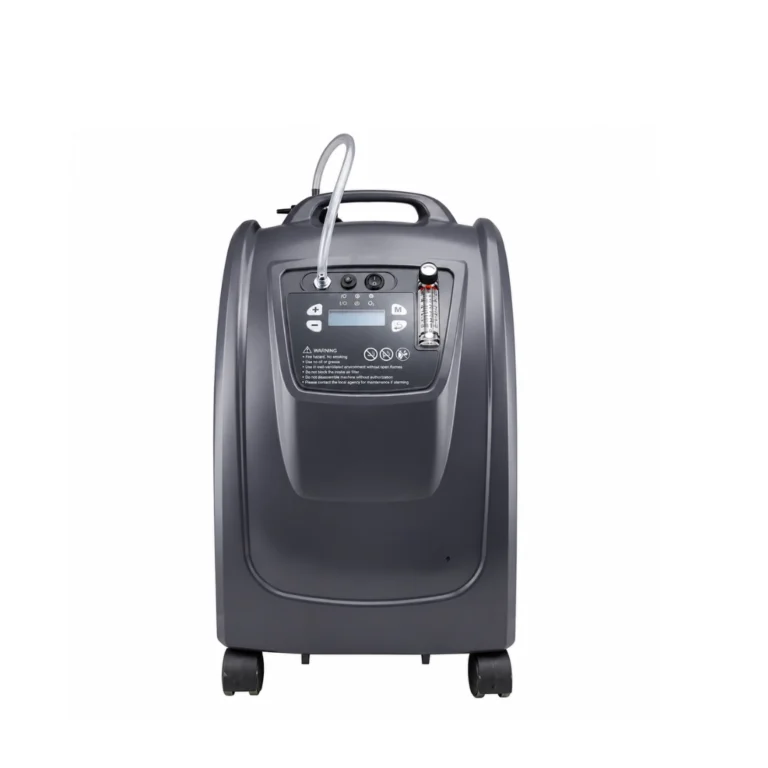
An oxygen concentrator uses surrounding air to produce a stream of oxygen-enriched gas. It can provide a local source for prescribed supplemental oxygen therapy without relying on a fresh oxygen cylinder for every use. The device must still be selected for the patient's required flow, the intended operating conditions and the relevant clinical instructions.
Concentrators are used in different care settings, from healthcare facilities to appropriate home-care environments. The devices can look similar while differing in oxygen output, delivery method, operating noise and service requirements. These differences matter when a machine will be used regularly or for extended periods.
Output, alarms and everyday operation
A medical concentrator is commonly evaluated by its oxygen concentration at the specified flow rates, its usable flow range and the way output is delivered. The maximum flow rate alone does not describe its complete performance. Staff should check the product's full specification and confirm that it meets the prescribed therapy requirements.
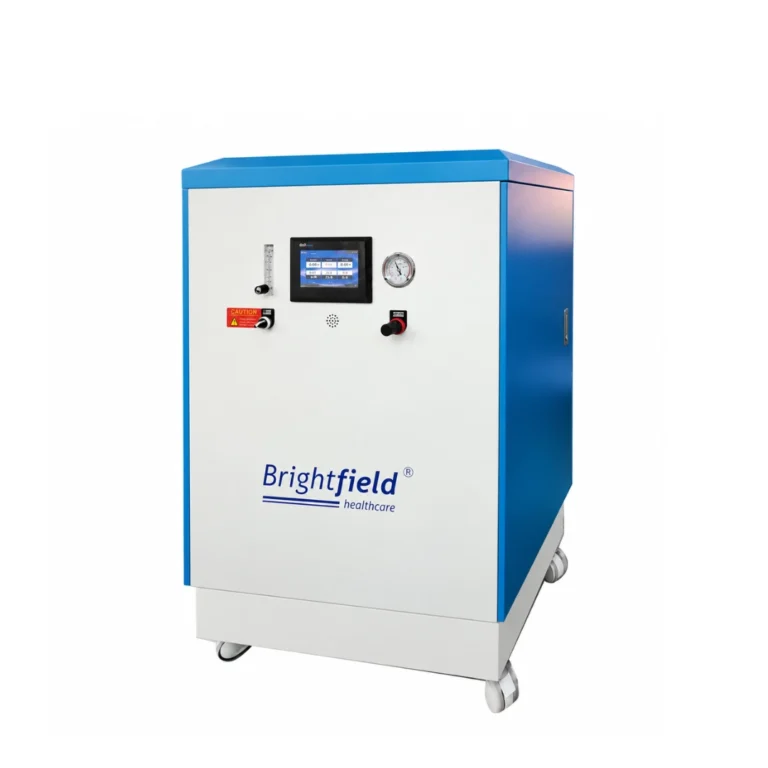
Depending on the model, a concentrator may include an output flowmeter, operating status indicators and alarms for relevant faults. Filters and other service items require maintenance according to the manufacturer's schedule. Correct placement is also important: the machine needs sufficient ventilation and access for routine cleaning and inspection.
Selecting equipment for the care setting
Before choosing a concentrator, establish whether the unit will remain in one place or need to be moved. Consider the available power supply, expected hours of use, room ventilation, noise conditions and any accessories required for oxygen delivery. For a medical facility, service support and a clear maintenance plan should form part of the decision.
An oxygen concentrator is not the same as a central hospital oxygen generator. Individual concentrators serve a localized therapeutic need, while larger production systems may feed a facility-wide gas supply. Keeping these categories separate makes equipment selection easier and avoids confusion about capacity, infrastructure and intended use.
”