“
Endoscope reprocessing between examinations
A flexible endoscope has to be processed correctly before it is used for another patient. For an endoscopy department this is a repeatable, carefully documented workflow, not simply a matter of wiping down the instrument. Cleaning, high-level disinfection, rinsing and the subsequent handling of the endoscope each require attention to the device manufacturer's instructions and the facility's approved protocol.
Automated endoscope reprocessors take on selected stages of that workflow. A controlled cycle can help staff apply the prescribed sequence consistently and keep a record of what has been completed. The purpose is to make repeated processing steps easier to manage while retaining the checks and manual preparation that must still be performed by trained personnel.
Automatic washing and high-level disinfection
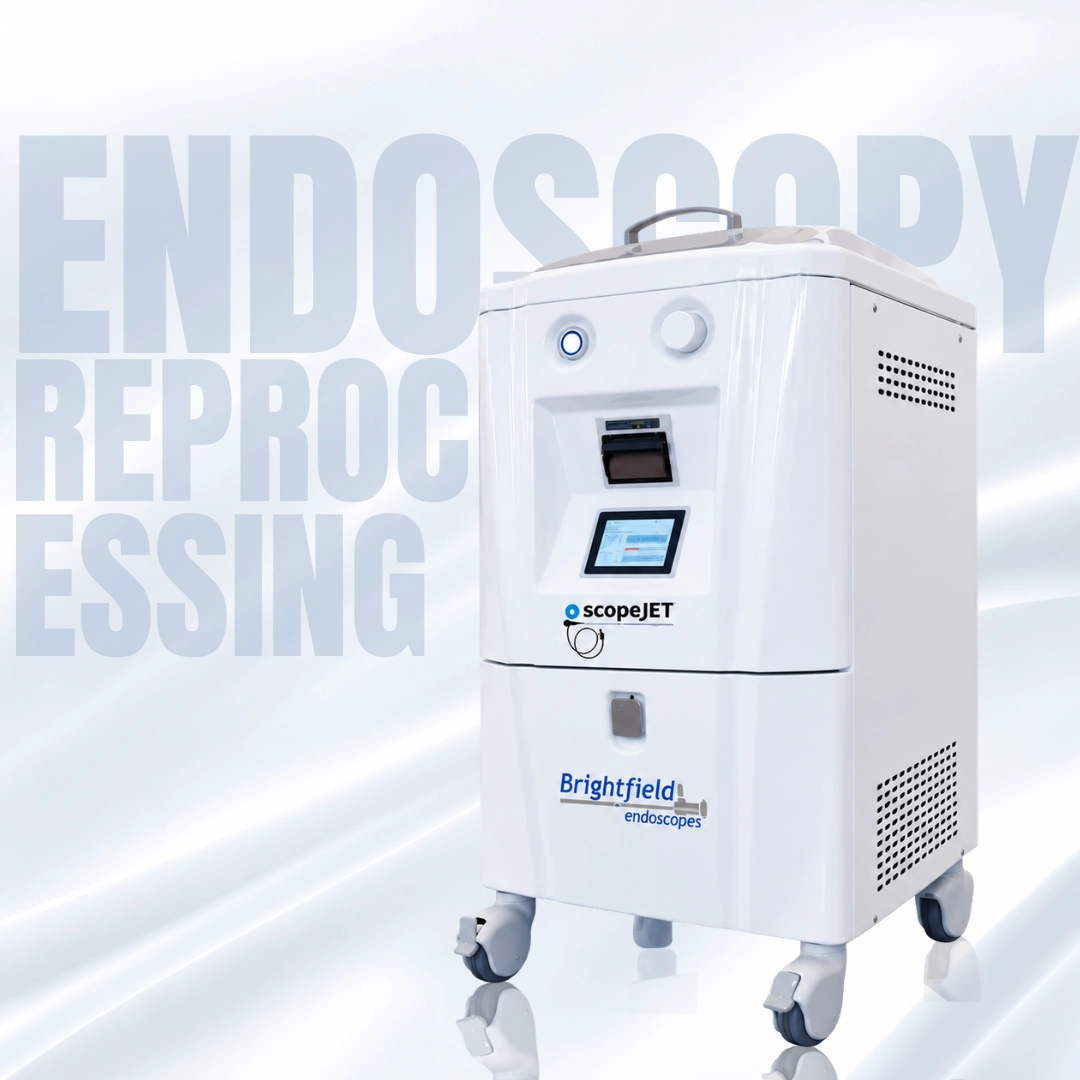
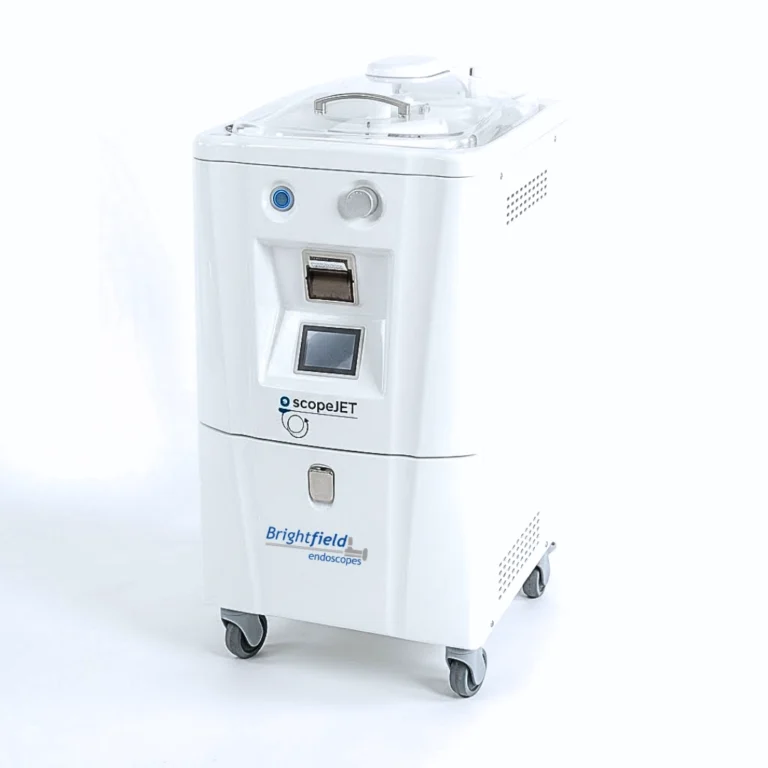
The Brightfield ScopeJET range includes equipment for washing and high-level disinfection of compatible flexible endoscopes. On the relevant product page, check the scope capacity, processing stages, programme settings, water treatment requirements and cycle documentation features. These details affect the installation and the daily operation much more than the overall size of the cabinet.
Reprocessing is a chemical and mechanical process with specific compatibility requirements. An endoscope, detergent and disinfectant must all be suitable for the chosen cycle. The facility should verify the required contact times, rinsing conditions and connection arrangements before bringing a new instrument into an existing reprocessing workflow.
Drying, storage and room planning
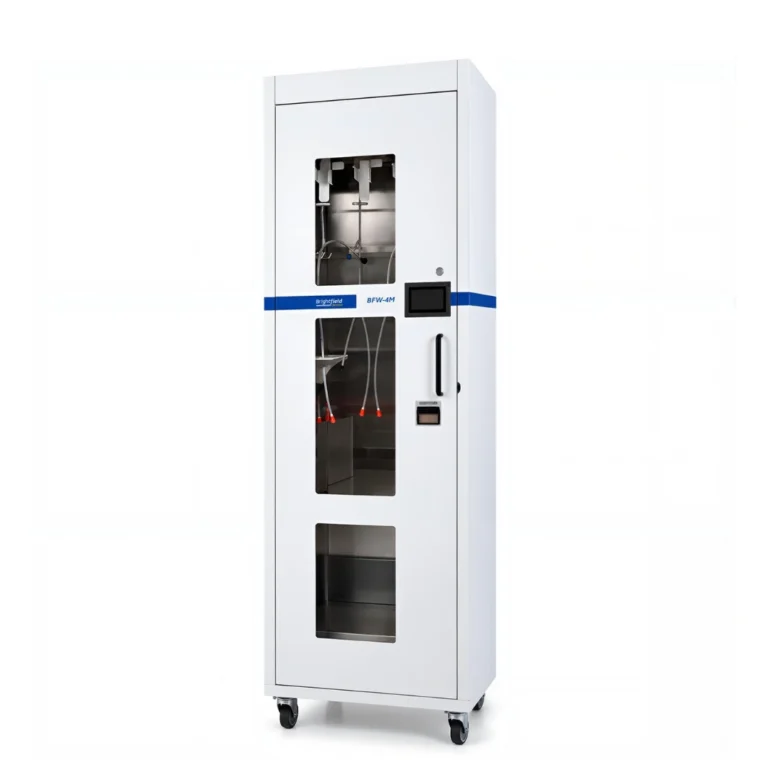
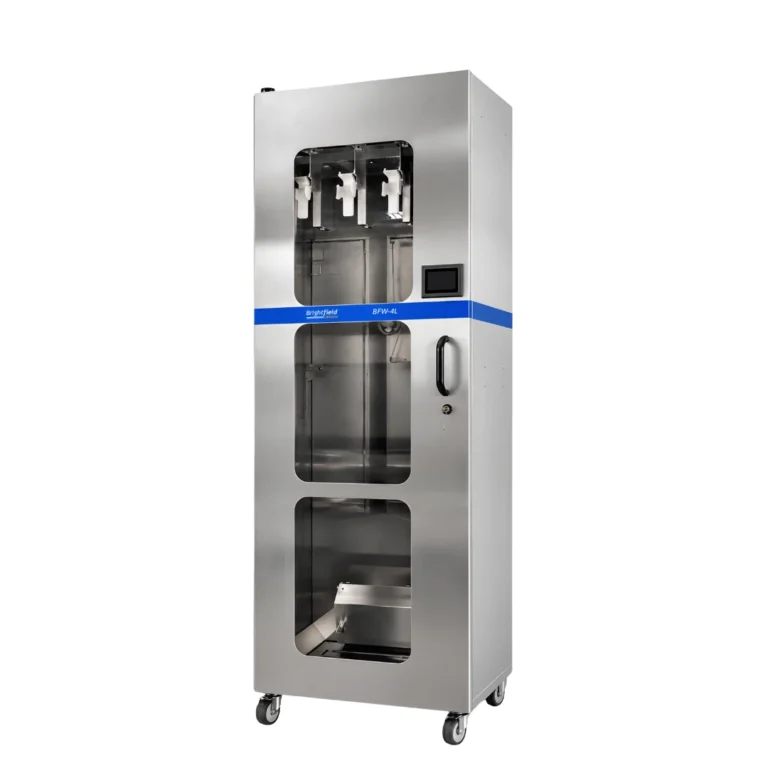
Once processed, endoscopes must be handled and stored under the conditions specified by the manufacturer and local procedure. Dedicated drying and storage cabinets address that stage; they do not replace cleaning or high-level disinfection. Channel drying arrangements, storage capacity and instrument handling procedures should be assessed as part of the complete department setup.
An efficient reprocessing room needs a clear division between contaminated and clean tasks, workable connections for water and power, and sufficient space for staff to operate the equipment. Start with the number and types of endoscopes used daily, then review the requirements of the reprocessor and any storage cabinets. That approach is more useful than choosing equipment on capacity alone.
”