
Rigid Endoscopy
Rigid endoscopes, video imaging systems, light sources and surgical instruments for laparoscopy, urology, gynecology, arthroscopy and ENT procedures.
Rigid Endoscopy
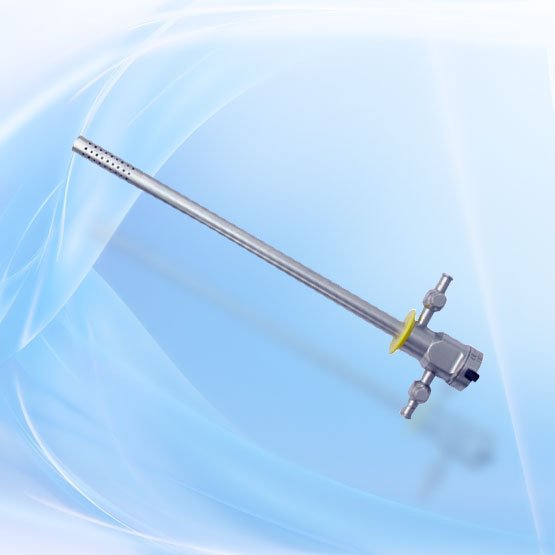
Work inserts and elements
Working elements and inserts for precise insertion of laser fiber for vaporization of the prostate, ...
View Details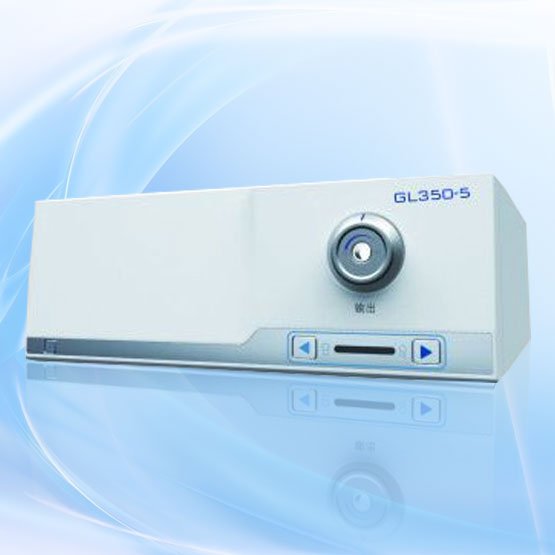
Rigid Endoscopy
Xenon light source GL350-5
The Brightfield Model GL350-5 Xenon Light Source is designed to work with endoscopes, imaging system...
View Details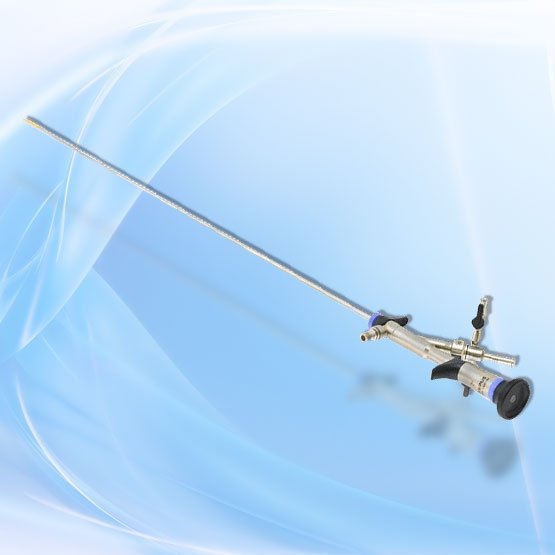
Rigid Endoscopy
Ureteroscope
The ureteroscope is an endoscopic instrument used to diagnose and treat abnormalities of the ureter ...
View Details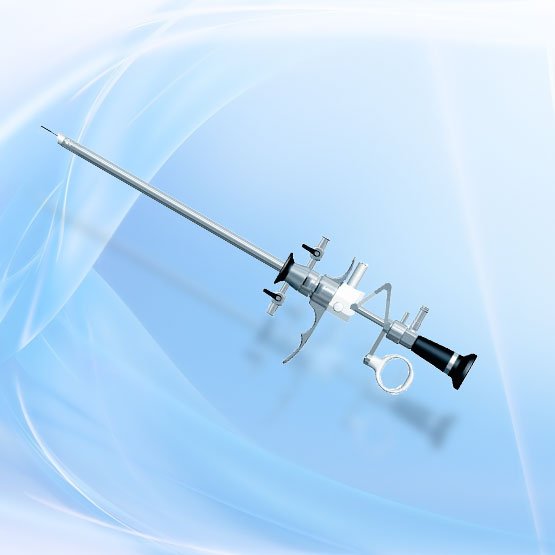
Rigid Endoscopy
Urethrotom
Urethrotome is a surgical instrument for minimally invasive interventions, which is designed to diss...
View Details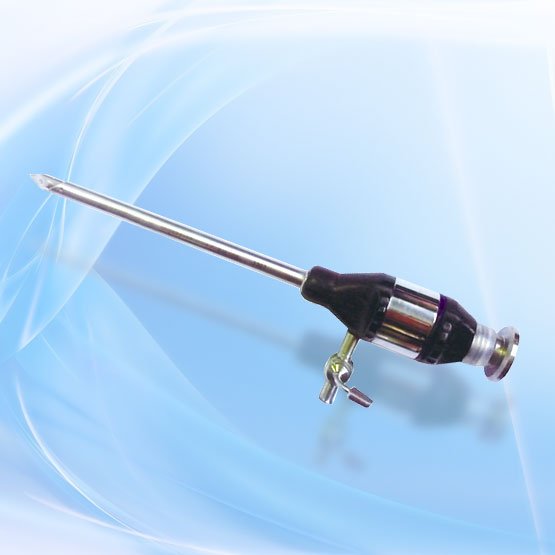
Rigid Endoscopy
Trocars
Endoscopic instrument for penetration into the abdominal cavity through the integument with the pres...
View Details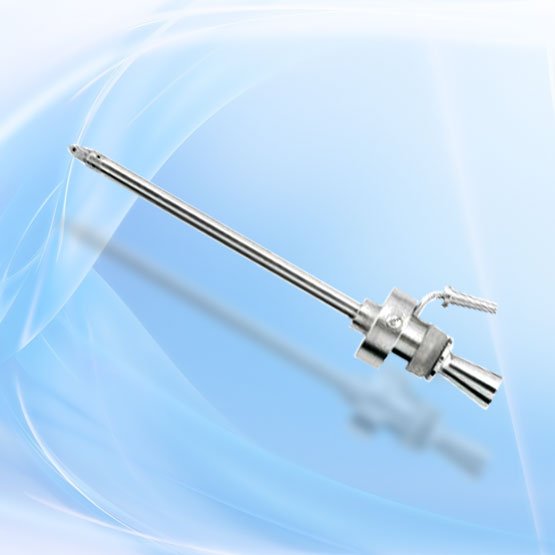
Rigid Endoscopy
Trocars
Trocars and guide rods for obtaining and maintaining access during minimally invasive interventions ...
View Details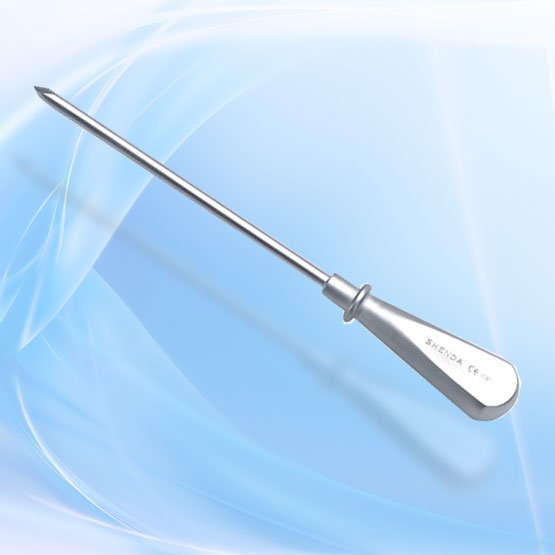
Rigid Endoscopy
Trocars
Troacre for endoscopic diagnostics and surgery of the paranasal sinuses and anterior part of the sku...
View Details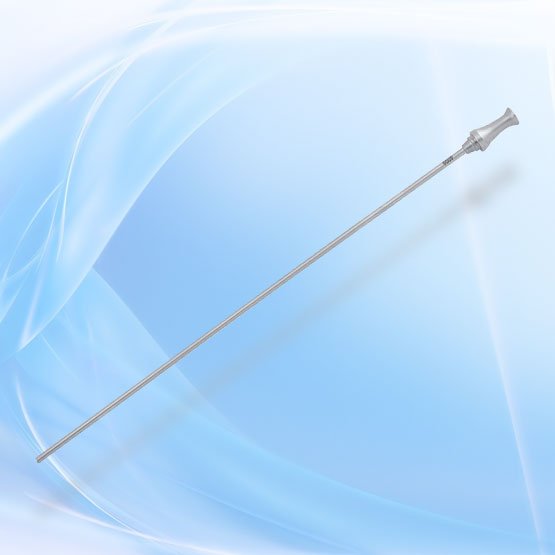
Rigid Endoscopy
Tubes and seals
External and internal tubes, obturators and other elements of the endoscopic system for examining th...
View Details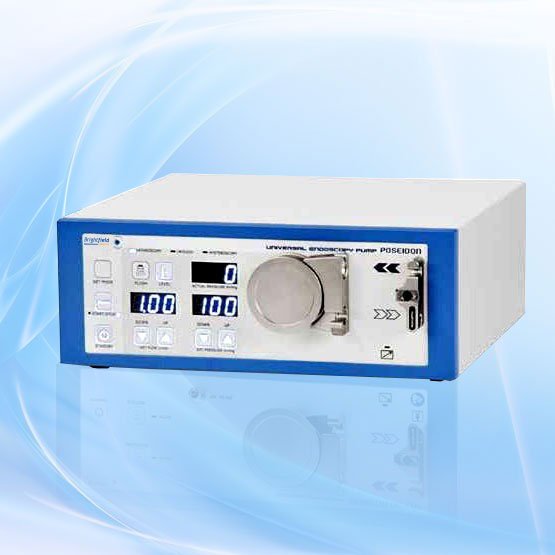
Rigid Endoscopy
Universal Endoscopy Pump
Pump for Arthroscopy, Hysteroscopy and Urology in one unit
View Details“
Rigid endoscopy for examinations and surgery
Rigid endoscopes are used where the clinical procedure calls for a firm optical instrument and a controlled view of the operative field. They are common in laparoscopy, arthroscopy, urology, gynecology and ENT practice. Although the working methods differ between specialties, the equipment generally includes optics, illumination and the instruments needed to examine or treat the target area.
The choice starts with the procedure. A laparoscopic telescope, a cystoscope and an arthroscope differ in their dimensions, viewing geometry and accessories. Even within one specialty, shaft diameter, working length and direction of view can determine whether an instrument is appropriate for the intended access.
Optics, cameras and light sources
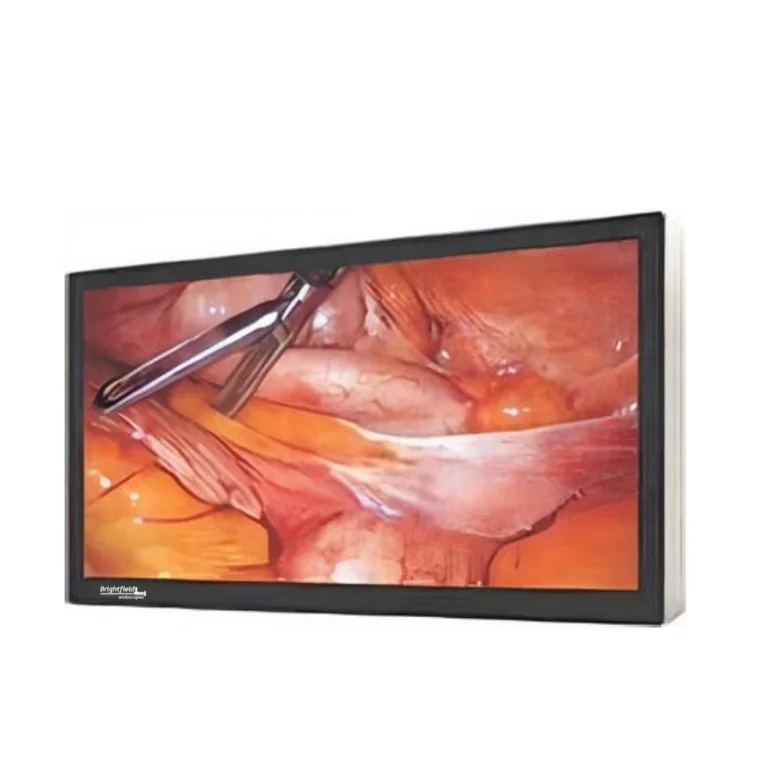
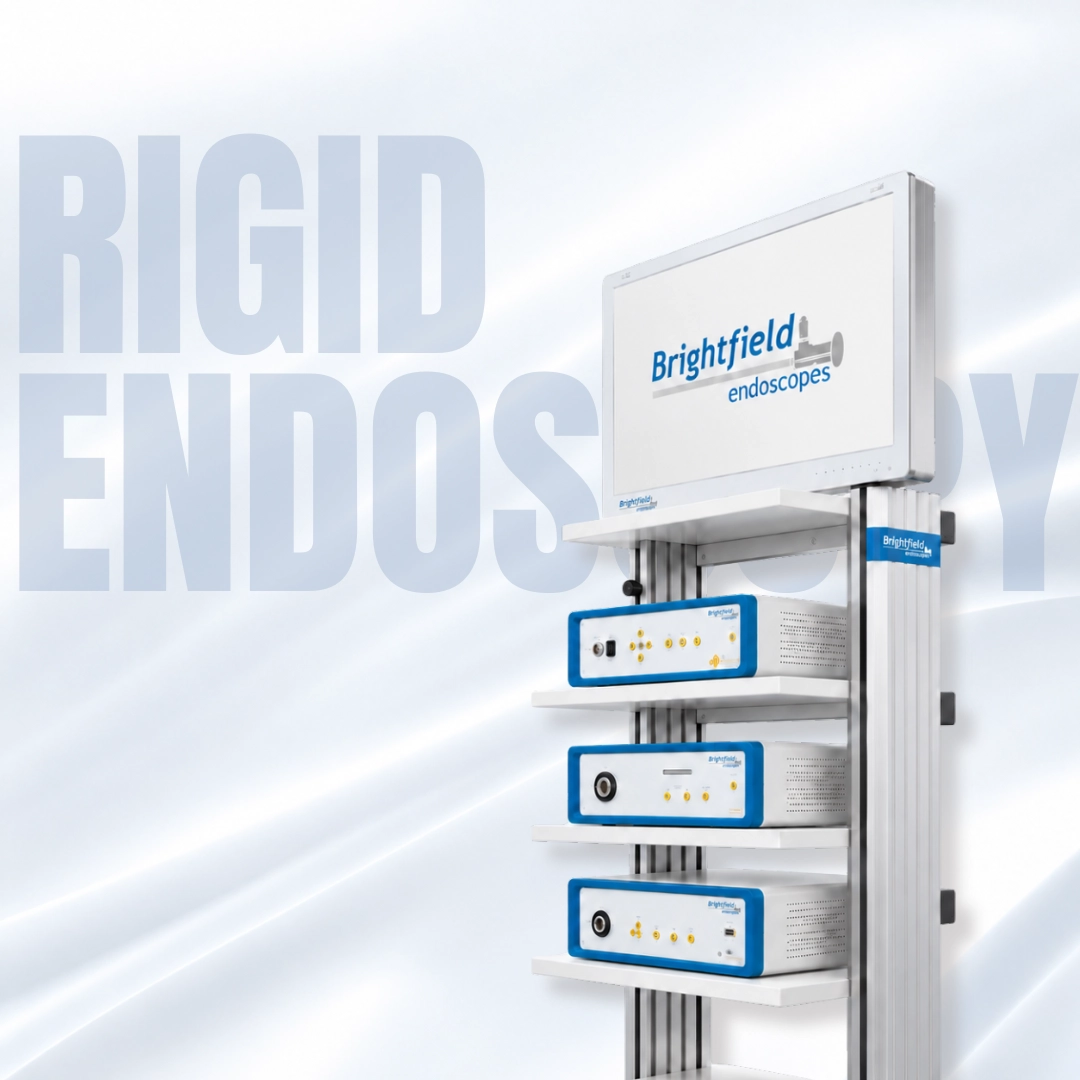
A rigid endoscopy setup may use a camera head and control unit to display the image on a medical monitor. A suitable light source and light guide illuminate the area being examined. Resolution, image handling and the connections between components are important when upgrading a single device or assembling a complete system.
Instrument sets vary according to the type of intervention. Laparoscopy may require graspers, scissors and access instruments; urological procedures use specialized working elements and sheaths; ENT work calls for instruments suited to narrow anatomical spaces. The equipment should be selected as a compatible set rather than mixed solely on the basis of similar-looking connectors.
Equipment for different specialties
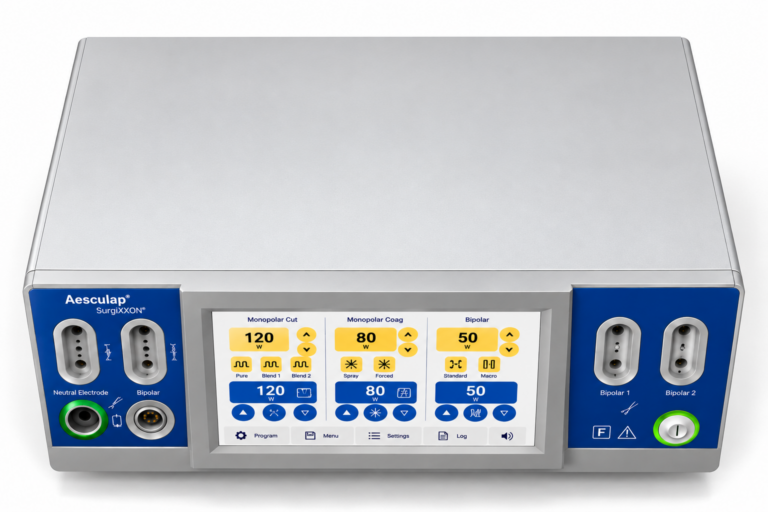
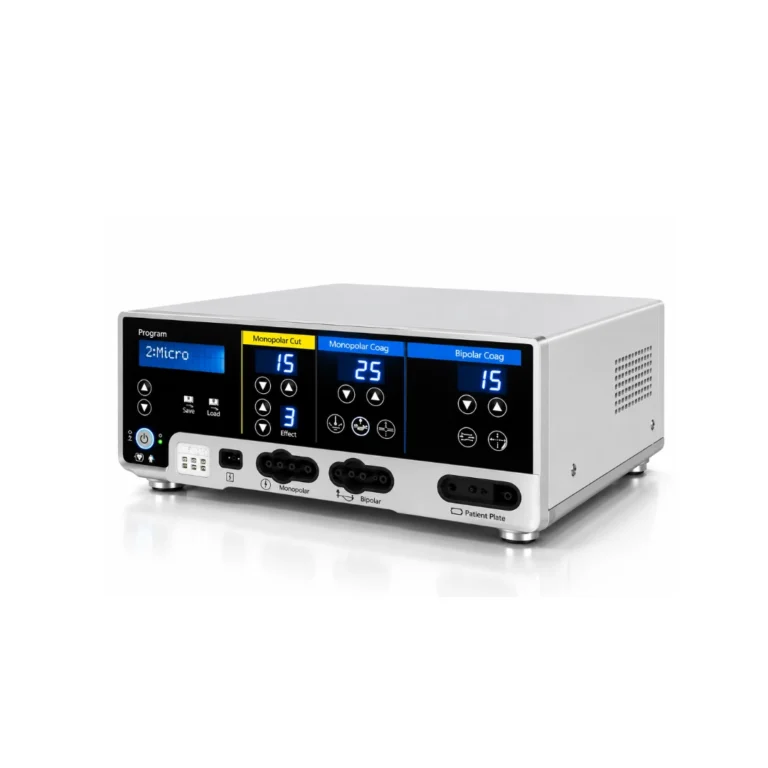
Brightfield's rigid endoscopy catalogue covers instruments and components for minimally invasive diagnostic and surgical work. Individual products include rigid optics, imaging equipment, light sources and instruments intended for particular procedures. Complete equipment configurations may also involve surgical monitors, insufflation or irrigation devices and electrosurgical equipment.
When planning a purchase, list the procedures the department performs and the instruments already in use. Confirm optical connections, instrument dimensions, cleaning requirements and any accessories needed for each procedure. A carefully matched set makes it easier to standardize the operating room and helps avoid buying components that cannot be used together.
”